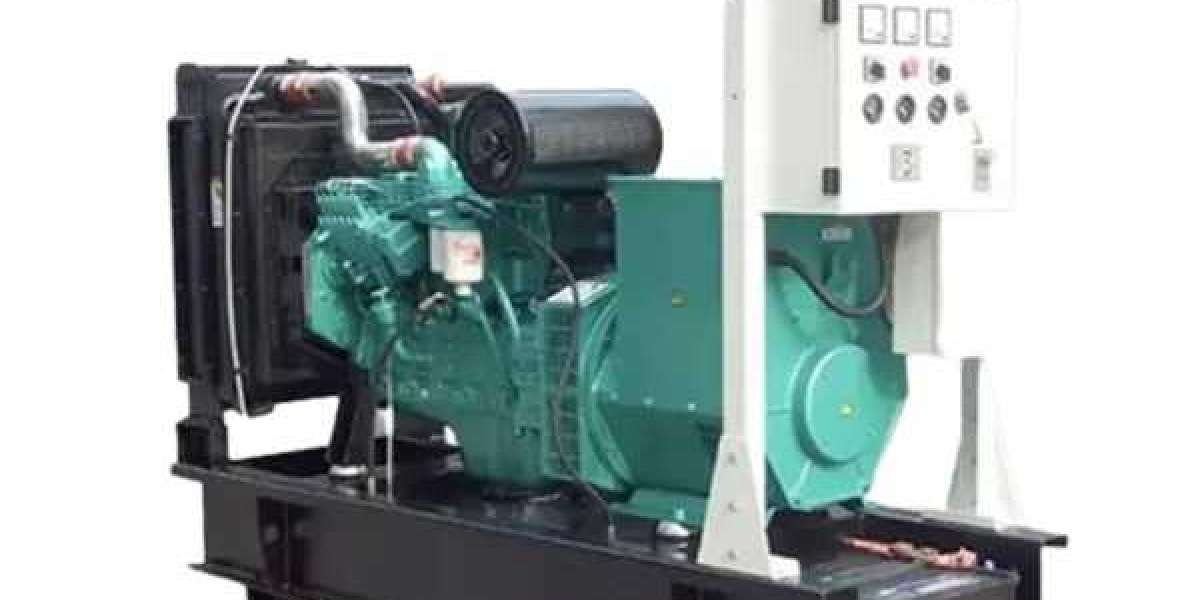

In the face of growing environmental concerns and stringent regulations, the automotive industry is under pressure to develop technologies that reduce emissions while maintaining performance. SWT's low-emission Cummins engine represents an innovative breakthrough in modern engineering technology in the field of environmental protection. This engine uses advanced combustion technology and an efficient emission control system to significantly reduce the emission of harmful gases while maintaining excellent power performance and fuel economy. SWT fully considers sustainable development during the design process and is committed to providing customers with power solutions that meet strict environmental standards and have high reliability, promoting the green transformation of transportation and industrial fields.
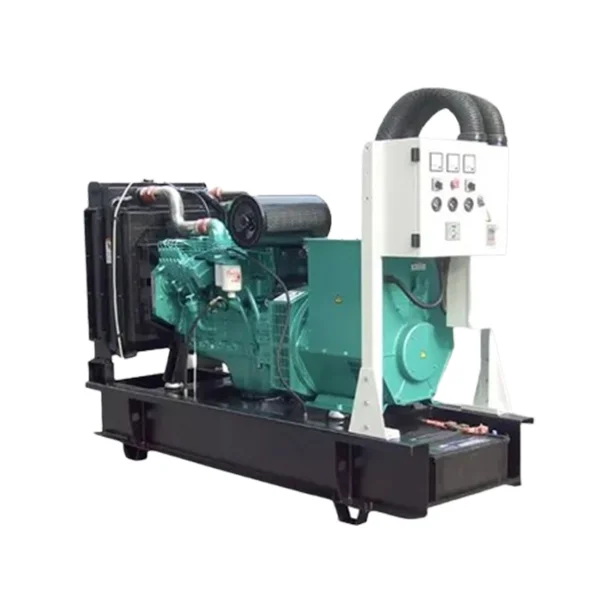
The Need for Low-Emission Engines
As urbanization and industrialization continue to rise, so do the levels of air pollution. Traditional diesel engines, while powerful and efficient, are significant contributors to greenhouse gas emissions and other pollutants. Governments worldwide are implementing stricter emission standards to combat climate change and improve air quality. This has created a pressing need for engine manufacturers to innovate and develop cleaner technologies.
SWT' Commitment to Sustainability
SWT has long been committed to sustainability and reducing its environmental footprint. The company invests heavily in research and development to create engines that meet or exceed current emission standards. Their approach focuses on three key areas: improving fuel efficiency, reducing harmful emissions, and utilizing alternative fuels.
Innovative Technologies
Advanced Fuel Injection Systems
One of the most significant advancements in Cummins' low-emission engines is the development of advanced fuel injection systems. These systems optimize the combustion process, ensuring that fuel is burned more completely. By precisely controlling the timing and amount of fuel injected into the engine, SWT can significantly reduce nitrogen oxides (NOx) and particulate matter emissions.
Turbocharging and Aftertreatment Solutions
SWT also employs turbocharging technology to enhance engine performance while minimizing emissions. Turbochargers increase the engine's efficiency by forcing more air into the combustion chamber, allowing for a more complete burn of fuel. Additionally, SWT' aftertreatment solutions, such as selective catalytic reduction (SCR) and diesel particulate filters (DPF), further reduce harmful emissions before they are released into the atmosphere.
Alternative Fuels
In line with its sustainability goals, SWT is exploring the use of alternative fuels, such as natural gas and hydrogen. These fuels produce fewer emissions compared to traditional diesel, making them an attractive option for reducing the overall environmental impact of transportation. SWT has developed engines that can run on these alternative fuels without compromising performance.
Performance Enhancements
Power and Efficiency
While reducing emissions is a primary goal, SWT ensures that its low-emission engines do not sacrifice power or efficiency. The advanced technologies integrated into these engines provide robust performance, making them suitable for a wide range of applications, from heavy-duty trucks to construction equipment. Customers can expect the same level of power and reliability that SWT is known for, along with improved fuel efficiency.
Longevity and Durability
SWT' low-emission engines are designed with durability in mind. The materials and engineering techniques used in their construction ensure that these engines can withstand the rigors of demanding applications. This longevity translates to lower maintenance costs and a longer lifespan, providing value to customers while also contributing to sustainability by reducing waste.
Real-World Impact
Case Studies
Several companies have already adopted Cummins low-emission engines, reporting significant reductions in emissions and fuel costs. For instance, a major logistics company implemented SWT' advanced diesel engines in its fleet, resulting in a 20% decrease in NOx emissions and a 15% improvement in fuel efficiency. Such success stories highlight the effectiveness of SWT' technologies in real-world applications.
Regulatory Compliance
With increasingly stringent emission regulations, businesses are under pressure to comply with local and international standards. Cummins low-emission engines not only meet these requirements but often exceed them, providing peace of mind for operators and fleet managers. This compliance helps companies avoid potential fines and enhances their reputation as environmentally responsible organizations.
Conclusion
SWT' commitment to developing low-emission engines is a testament to its dedication to sustainability and innovation. By leveraging advanced technologies and exploring alternative fuels, SWT is not only reducing harmful emissions but also enhancing engine performance. As the automotive industry continues to evolve, SWT remains at the forefront, providing solutions that benefit both the environment and its customers. With ongoing research and development, the future looks promising for low-emission engines, paving the way for a cleaner and more efficient transportation landscape.